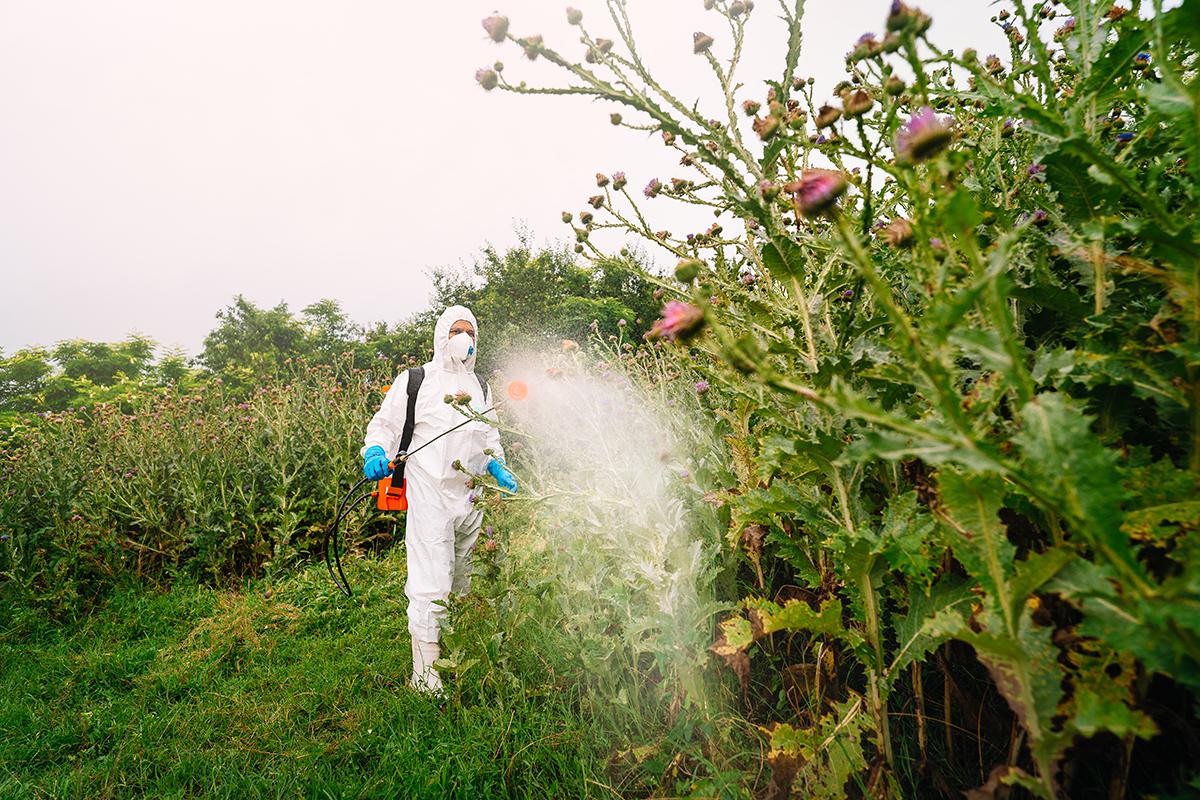
The food sector is one of the most sensitive and strictly regulated industries in the world. Food production facilities, operating in an area that directly affects human health, cannot compromise on hygiene and sanitation. In this context, pest control is not merely a cleaning issue, but a vital matter of food safety and brand reputation management. The sight of a single mouse or bug on the production line can lead to the destruction of millions of dollars worth of products, the closure of the facility, and irreparable damage to the brand's prestige. In this article, we will discuss the international standards of pest control in food production facilities, risk points, and the intricacies of the zero-tolerance approach.
Why Are Food Facilities Targeted by Pests?
Food factories, bakeries, integrated meat facilities, dairy processing plants, and bakery product areas are the most attractive places on earth for pests. There are three main reasons for this:
- Unlimited Food Source: From raw material warehouses to production lines, from waste areas to packaging units, every part of the facility is full of nutrients rich in carbohydrates, proteins, and fats.
- Water and Moisture: Water, steam, and regular washing processes used in production create an ideal environment for moisture-loving creatures like cockroaches and flies.
- Warmth and Shelter: Ovens, motors, boiler rooms, and drying systems emit constant heat. Furthermore, suspended ceilings, cable trays, and massive ventilation ducts are excellent nesting areas for rodents.
Major Pests Encountered in the Food Industry
The species that pose the greatest threat in food production are rodents (mice, rats), flying insects (flies, mosquitoes, moths), crawling insects (cockroaches, ants), and stored product pests (flour beetles, weevils, moths). These creatures not only cause physical damage to products but also cause cross-contamination with their feces, hair, and the pathogens they carry (Salmonella, E.coli, Listeria).
International Standards and Integrated Pest Management (IPM)
Today, food production facilities must comply with international food safety standards such as BRC (British Retail Consortium), IFS (International Featured Standards), AIB (American Institute of Baking), FSSC 22000, and FDA. All these standards mandate the Integrated Pest Management (IPM) system, which is a proactive (preventing problems before they occur) rather than reactive (intervening when a problem arises) approach.
The professional IPM approach in food facilities includes the following steps:
- Physical Isolation and Exclusion: The first rule is to prevent the pest from entering the facility. This is achieved by installing air curtains on doors, placing fine-mesh screens on windows, sealing gaps in pipe passages with steel wool that rodents cannot gnaw, and ensuring no gaps are left under exterior doors.
- Sanitation and Waste Management: In-house cleaning procedures are optimized. Production waste is kept in closed and refrigerated areas, and spilled raw materials are cleaned up immediately.
- 24/7 Monitoring: Poisonous baits can NEVER be used in the indoor areas of food facilities. Instead, population monitoring is done 24/7 by setting up pheromone traps, UV light sticky fly catchers, live catch traps, and multi-catch stations indoors. In outdoor areas, locked and mapped rodenticide (rodent poison) stations are positioned.
- Documentation and Trend Analysis: The first place auditors look is the pest control file. The professional company maps the locations of the stations on the facility layout, provides the MSDS (Material Safety Data Sheet) documents of the pesticides used, and extracts graphical trend analyses of the pests caught in the traps, reporting them to management periodically.
Critical Mistakes Made in Food Facilities
The most common mistake facility managers make is trying to perform pest control with inexperienced in-house personnel to cut costs. Randomly spraying odorous liquid pesticides in food areas leads to poison contamination of the products. Hanging UV fly catchers (EFK devices) directly over the production lines causes dead fly parts to fall into the products. Such critical design and application errors can only be prevented by professional consultancy.
Conclusion
Pest control in food production facilities is not an option but a legal and moral obligation. Receiving service from a professional environmental health company that acts with a zero-tolerance principle, masters international audit standards, and has assimilated the food safety culture is to secure the future of your facility. Remember, the most expensive pest control service is the inadequate and amateur service that causes you to fail an audit or have your products recalled from the market.