Educational institutions—nurseries, kindergartens, primary schools, high schools, and universities—are the most important living spaces where our children and youth, the guarantee of our future, spend a large part of their days. Schools, consisting of crowded classrooms, massive cafeterias, gyms, libraries, and gardens, are highly attractive places for pests due to high human circulation and intense food consumption. However, pest control in educational institutions requires a sensitivity unlike any other sector. This is because what is at stake is the health of children and young people whose immune systems are not yet fully developed. While a mouse seen in the classroom drives students into a panic, an incorrectly applied chemical pesticide can lead to irreversible health problems. In this article, we will discuss the pest risks encountered in schools, the protection of children, and the professional pest management principles that are mandatory in educational institutions.
Most Common Pest Problems in Schools
Educational buildings host a variety of pests because they gather very different usage areas under a single roof:
- Lice and Fleas: Close contact between children, especially in nursery and primary school age, causes parasites like lice and fleas to spread rapidly. Carpets in classrooms, beds in nap rooms, and coats in cloakrooms are the transition points for these parasites.
- Rodents (Mice): School cafeterias, canteens, food storages, and boiler rooms are ideal for rodents. They not only damage food but also create a fire hazard in the school by gnawing on electrical cables. Mouse droppings have the characteristic of triggering asthma attacks.
- Cockroaches: They emerge during the night shift in school kitchens and dishwashing areas. By touching children's food, they cause food poisoning and diarrhea.
- Ants: Sugary food residues left by students on their desks, in their lockers, or in the schoolyard quickly draw ants into the classrooms.
- Bees and Ticks: Trees, flower beds, and grass areas in schoolyards become risky zones for wasps and ticks during the spring months. A child being stung by a bee can cause serious anaphylactic shocks (allergic crisis).
The Risks of Chemical Use on Children
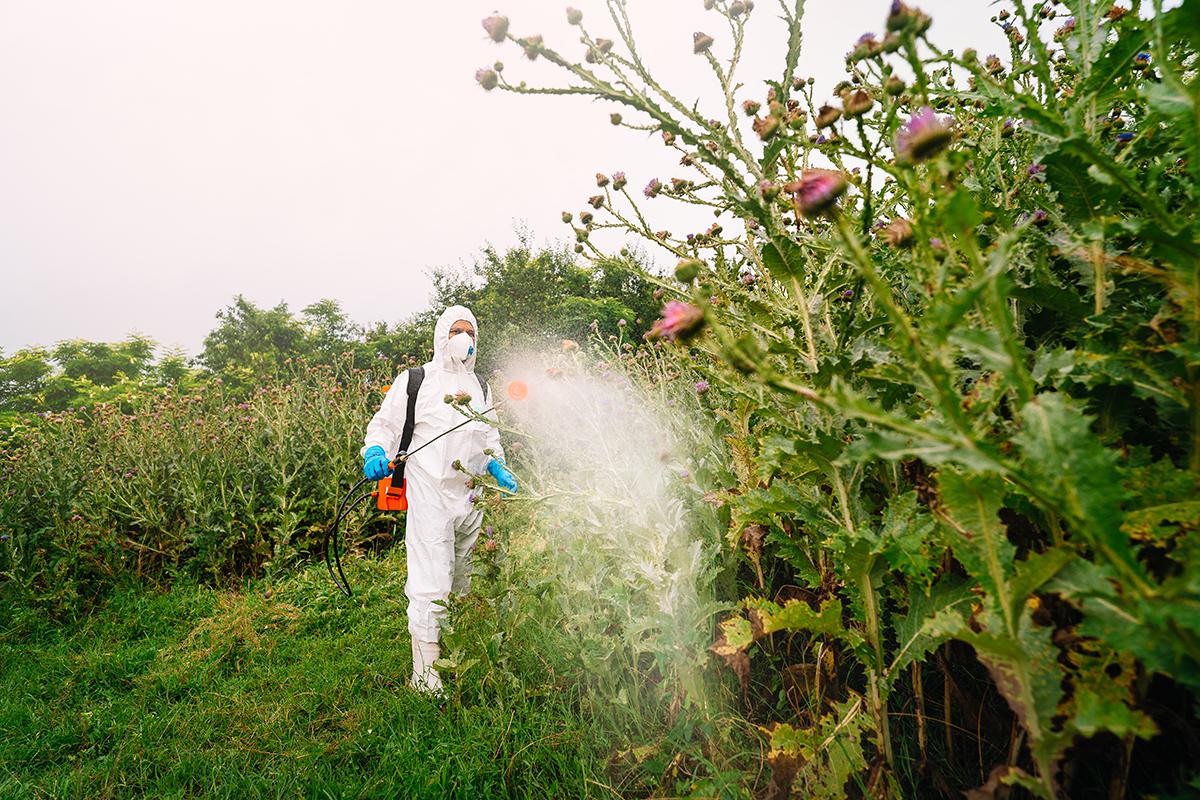
The biggest and most dangerous mistake made in educational institutions is for school staff to try to do pest control themselves with sprays bought from the supermarket or under-the-counter agricultural pesticides to cut costs. Children's metabolisms and respiratory systems work much faster than adults and are much more vulnerable to external toxins.
Odorous liquid pesticides randomly sprayed into classrooms, desks, or corridors remain suspended in the air and reach the children's lungs. Children touching sprayed desks put their hands in their mouths, taking the poison directly into their bodies. Such unconscious applications can lead to dizziness, nausea, skin rashes, chronic asthma, neurological development disorders, and even carcinogenic effects in children.
Integrated Pest Management (IPM) in Educational Institutions
The application of Integrated Pest Management (IPM), which prioritizes human and environmental health and minimizes chemical use, is a legal obligation in schools. Professional companies intervene in schools with the following methods:
- Holiday Period Advantage: Comprehensive and liquid-based exterminations (if necessary) are absolutely not done while education is ongoing. Semester breaks, summer holidays, or long weekend gaps are preferred. All rooms are thoroughly ventilated before the school opens.
- Gel Baits and Non-Toxic Stations: If a pest problem (e.g., cockroach) arises during the educational term, gel pesticides, which do not mix with the air and are completely odorless, are applied precisely behind cabinets and inside hinges where children cannot reach. Poison is never placed inside the school for rodents; only live-catch or mechanical traps are used.
- Education and Awareness: Advice is given to school administration and teachers regarding students not leaving food out in their lockers, separating garbage, and keeping classrooms clean. Pest control is combined with hygiene education.
- Physical Barriers: Permanent physical measures are taken, such as installing fly screens on school windows, placing brush strips under doors, and moving garbage containers away from playgrounds.
Conclusion
The educational institutions to which we entrust our children must be not only homes of science and wisdom but also fortresses of health and safety. School administrations and parent-teacher associations should not choose the cheapest offer when purchasing pest control services, but rather corporate companies with complete authorization documents, strong references, and sensitive procedures regarding children's health. It is the most fundamental right of our students to be educated in spotlessly clean classrooms without the fear of bugs and without being exposed to chemical poisons. Protecting our future starts with protecting their health.