Cosmetic products (creams, lotions, shampoos, makeup materials) and sensitive chemical components (detergents, industrial additives) are formulations that directly contact human skin or are used in critical industrial processes. In the production of these products, "purity" and "chemical stability" are everything. A microbiological contamination (bacteria, mold, or yeast growth) that occurs in production areas, mixer tanks, or filling lines in cosmetics and chemical factories can cause the product's shelf life to shorten, its formulation to deteriorate (phase separation, bad odor), and most importantly, serious skin infections or allergic reactions in the end consumer. Bacteria emerging from a lotion you produced leads to the recall of your brand from the market and the zeroing of your reputation. To eliminate these critical risks, cosmetics and chemical facilities must be disinfected almost at the standards of an operating room or a cleanroom. In this article, we will examine disinfection processes in the cosmetics and chemical industry, microbiological risks on production lines, and solutions in ISO/GMP standards.
Biological Risk Factors in Cosmetics Production
Most cosmetic products are water (aqua) based, and the oils, proteins, and vitamins they contain are a great food source for microorganisms. The contamination routes in facilities are:
- Production Tanks and Pipelines (CIP Systems): Microscopic product residues remaining on the walls of mixing tanks or in the bends of long pipelines providing liquid transfer form a "biofilm" layer. Biofilm acts as a sticky shield where bacteria breed and which does not come off with standard washings.
- Ventilation (HVAC) and Ambient Air: The air quality in the areas where creams are filled into packages (filling lines) is very critical. Mold spores spreading from ventilation ducts into the environment and bacteria in the air fall into the open packages, spoiling the product before it even leaves the factory.
- Raw Material Warehouses and Packaging: Empty plastic bottles, caps, and pumps coming to the factory from outside are not sterile. If the areas where these packages are kept are not disinfected before filling, the dirty packaging spoils the clean product.
ISO 22716 (Cosmetics GMP) and Clean Room Disinfection
Companies producing in the cosmetics sector must have ISO 22716 Good Manufacturing Practices (GMP) certificates. This document mandates that the microbiological load of production areas be periodically reset. Professional environmental health companies apply the following special methods in these facilities:
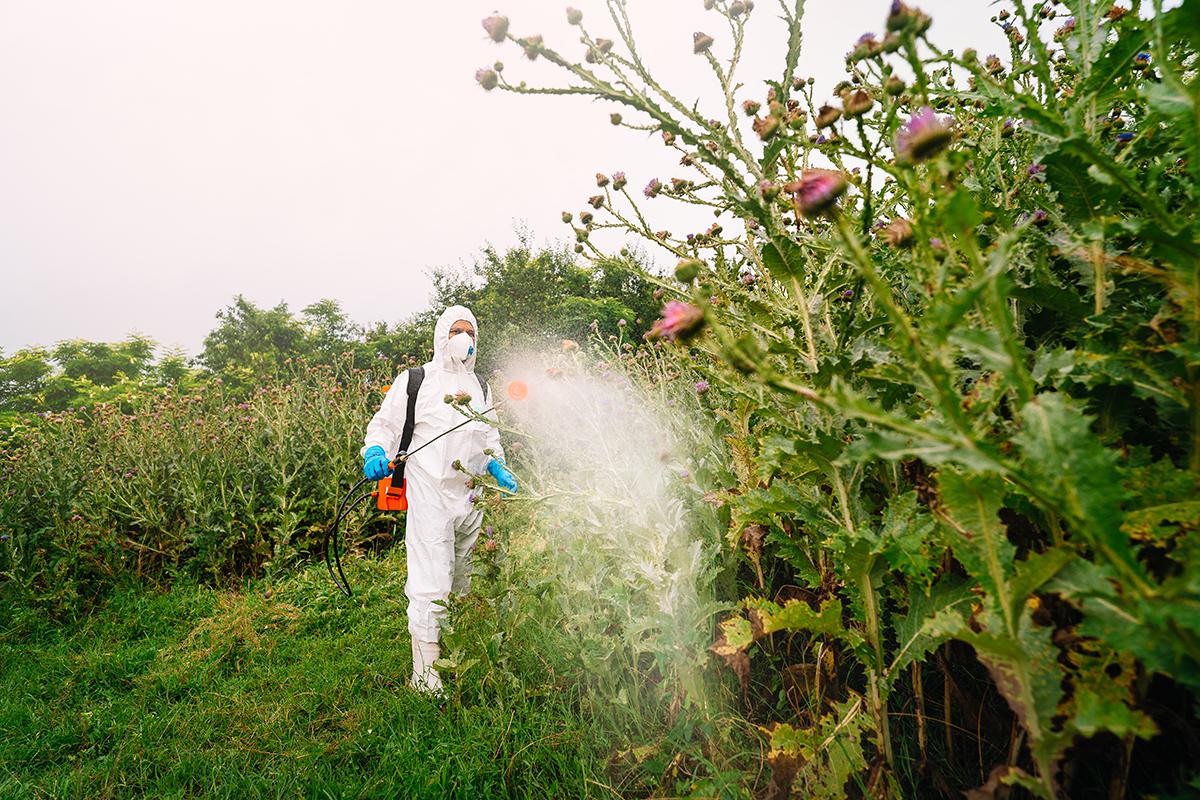
- Residue-Free ULV Fogging Technology: Chemical disinfectants that could react cannot be used in cosmetics and chemical production areas. Instead, disinfectants based on Hydrogen Peroxide (H2O2) or Ozone, which leave no toxic or chemical residue in the air and on surfaces and do not affect the formulation of the products, are applied with ULV (Cold Fogging) machines. This fogging sterilizes all the ambient air, the internal components of filling machines, and ceiling/wall joints.
- Biofilm Disrupter Solutions: Biofilm layers, which are the sheltered homes of bacteria formed on the outer surfaces of pipelines or outer covers of production tanks, are disrupted and destroyed with special disinfectants that break the DNA chain.
- Cleanroom Procedures: If there are class-level clean rooms inside the facility, the disinfection personnel entering here wear special sterile coveralls, and all devices used are decontaminated before being taken inside.
Quality Control and Consumer Trust
Disinfection in a cosmetics factory is not just a "cleaning" job; it is directly the most important assurance of the Quality Control (QC) department. A zero microbiological load in swab (surface) tests and air measurements is proof that the products in that batch can be released to the market with peace of mind. Product returns, shortened shelf lives, and customer complaints prevented thanks to disinfection prevent the company from losing millions of liras.
Conclusion
Do not leave the fate of your cosmetic and chemical products, which promise beauty, care, and industrial purity, to the initiative of invisible pathogens. Entrust your production lines and filling lines to professional teams that are fully compliant with international GMP standards, have a technological infrastructure, and guarantee residue-free disinfection. The more sterile your production is, the stronger your brand's power in the market is.