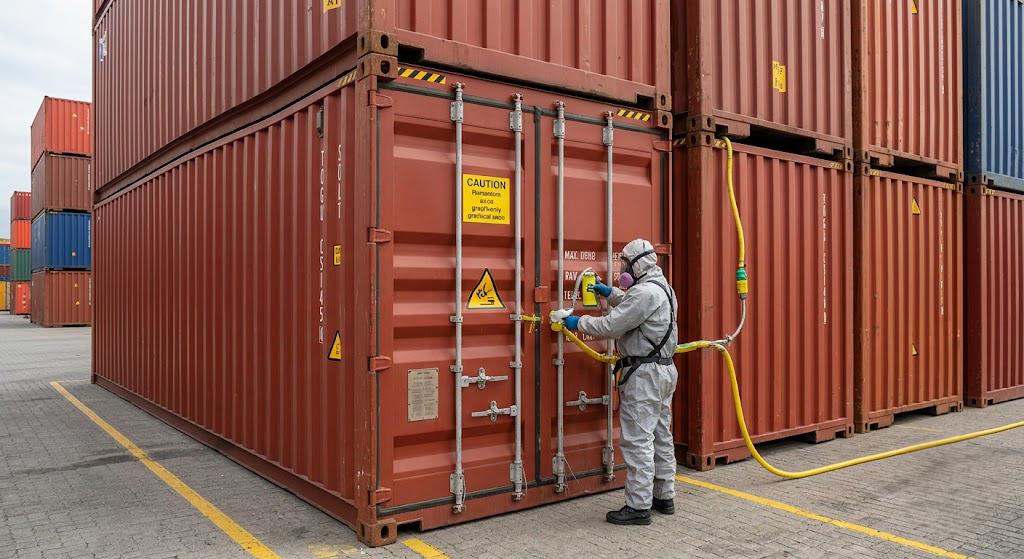
Factories, workshops, and massive production facilities possess a unique and challenging structure with tens of thousands of square meters of enclosed spaces, high ceilings, complex machinery, and vast storage areas. Although pest control in production facilities outside the food sector (automotive, textile, plastics, machinery, electronics, etc.) often seems like a background issue, it is actually of critical importance for the factory to produce uninterruptedly. A short circuit caused by a rodent entering the machinery can cost the entire production line to stop for hours (downtime). Furthermore, according to Occupational Health and Safety (OHS) standards, it is a legal obligation for the employer to provide a healthy working environment for the workers. In this article, we will examine the risks created by pests in factories and large production facilities, the types of industrial pests, and pest control solutions specifically developed for large square footages.
Pests Threatening Production Facilities
In factories, not only the internal production areas but also junkyards, external warehouses, boiler rooms, and personnel use areas (cafeterias, locker rooms) are habitats for pests:
- Rats and Mice: They are the most destructive pests of industrial areas. They nest in cable trays under production lines, between pallets in warehouses, and inside piles of unused scrap. They cause financial loss by damaging the raw materials produced (especially paper, textiles, packaging materials). Additionally, because they are very strong rodents, they can even gnaw on the hydraulic cables of heavy industrial machinery.
- Cockroaches: Seen in factory cafeterias, personnel locker rooms, and tea rooms. They disrupt the hygiene of the employees and rapidly spread various diseases among the staff.
- Houseflies and Mosquitoes: Especially in factories working in shifts, they gather around lights during the night shift, distracting workers and increasing the risk of occupational accidents. Water cooling towers or treatment plants are massive breeding centers for mosquitoes.
- Scorpions, Snakes, and Centipedes: Frequently seen in the exterior areas of factories located far from the city center, in organized industrial zones, or intertwined with nature. They pose a mortal danger for security guards or shipping personnel during the night shift.
The Cost of Pests to Factories (Downtime and Quality Drop)
In industrial facilities, time is money. Machine stoppage time, referred to as "downtime," directly hits the profitability of the factory. An electrical failure caused by mice means not only repair costs but hours of lost production. On the other hand, an insect or rodent dropping accidentally mixed into the manufactured product (for example, in a textile product or in the packaging of a white good), when noticed by the end consumer, damages the brand value of the company and causes the products to be recalled. Moreover, labor unions and occupational safety experts have the authority to stop production when they detect pests in the workspace.
How is Professional Extermination Done on an Industrial Scale?
Exterminating a factory of tens of thousands of square meters is not like standard home or office extermination. Systematic, strong, and durable equipment must be used:
- Heavy-Duty Rodent Stations: Locked rodent stations made of metal or hard plastic, resistant to forklift impacts or harsh weather conditions, are placed at the factory's external borders (perimeter), loading docks, and garbage areas.
- Physical Isolation (Exclusion) Consultancy: Factory doors often remain constantly open due to shipments. The professional pest control company offers insulation suggestions such as installing rubber seals under rolling shutters, putting mesh on ventilation fans, and using PVC strip curtains to physically prevent entry from the outside.
- Motorized and Vehicle-Mounted ULV Fogging: If there is a flying pest or flea infestation in giant production halls or open storage areas, large volume areas are sprayed in a short time with backpack motorized sprayers or vehicle-mounted ULV devices. This process is usually carried out during weekend shutdowns.
- Cafeteria and Social Area IPM: In the areas used by workers inside the factory, employee health is secured by using non-toxic gel applications and pheromone traps.
Conclusion
In large-scale production facilities and factories, pest control is just as vital an infrastructure service as machine maintenance and personnel management. A professional extermination company that does not disrupt operations in the factory, can perform after-hours operations, and provides reporting compliant with OHS standards ensures that your production lines keep running without stopping. The cost of the damage pests will inflict on your factory is much higher than the price you will pay for a professional environmental health service. Protect your workflow, add confidence to your production.