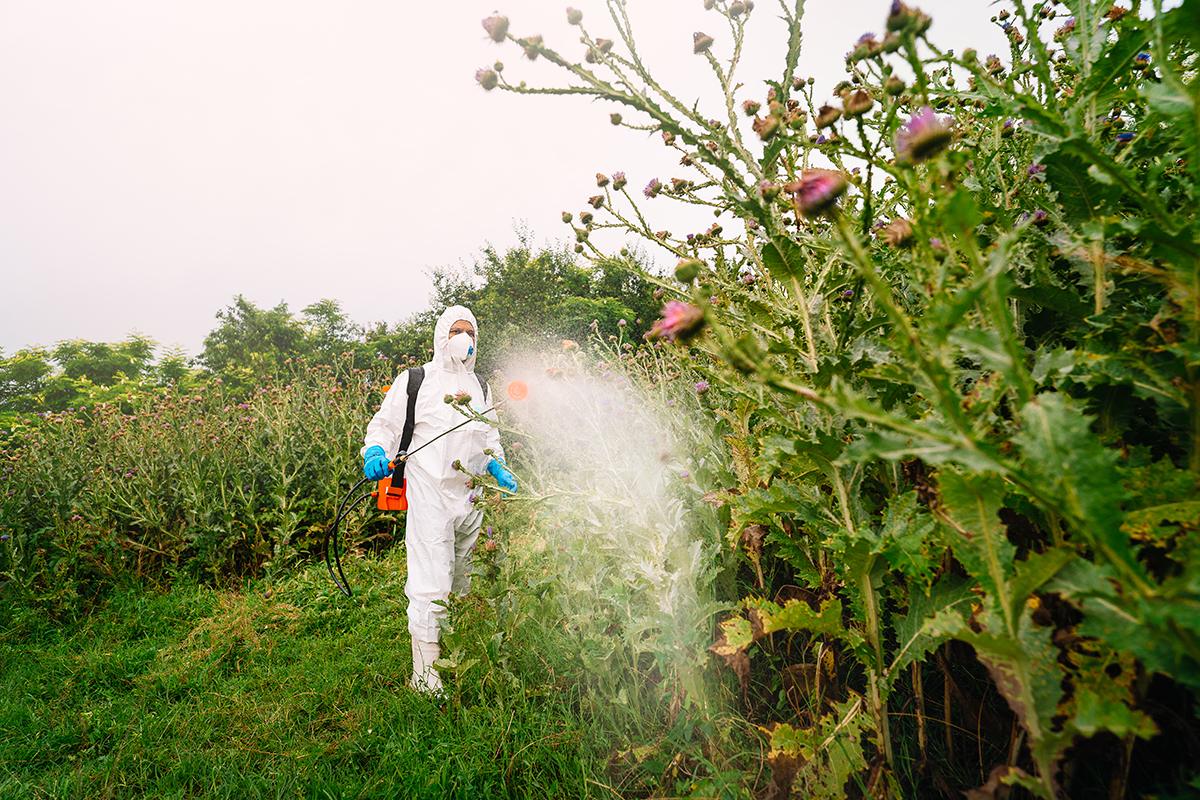
The health and pharmaceutical sector is one of the areas where quality and safety standards are most strictly applied because it directly touches human life. Pharmaceutical factories, laboratories, medical equipment production facilities, and medical warehouses are special structures where temperature, humidity, and hygiene conditions are controlled at a microscopic level. In such areas, pest control is not just about removing unwanted bugs; it is the most vital part of GMP (Good Manufacturing Practices) and GLP (Good Laboratory Practices) standards. A mouse wandering among medicine boxes or a flying insect sneaking into clean rooms can cause the entire production batch to be canceled, billions of dollars in losses, and worse, public health to be endangered. In this article, we will examine the sensitivity of pest control in pharmaceutical and medical warehouses, the regulations in the sector, and the advanced methods applied.
Why Are Pharmaceutical Facilities at Risk?
Due to their structures, medical warehouses and pharmaceutical factories harbor certain risks for pests:
- Density of Cardboard and Packaging: Medical warehouses are filled with massive piles of cardboard boxes, pallets, and packaging. Cardboards provide excellent nesting and gnawing material for mice, and they are also the favorite areas for cockroaches (especially to lay their eggs).
- Constant Air Conditioning (HVAC): To prevent medicines from spoiling, warehouses are kept at a specific temperature and humidity level summer and winter. This constant and ideal climate creates a perfect refuge for pests escaping from harsh weather conditions outside.
- Global Logistics Network: Shipments arrive at medical warehouses every day from all over the country and the world. Through pallets and containers coming from different geographies, new and resistant pest species can be carried to the facility (e.g., bedbugs or foreign rodent species arriving with pallets).
Pathogen Carrying and Cross-Contamination Danger
The biggest fear in pharmaceutical production and storage is contamination. Pests carry germs, bacteria, and viruses from garbage dumps and sewers into sterile areas via their feet, feces, urine, and hair. A mouse wandering over medicine boxes and leaving urine directly puts the life of the patient who will use that medicine at risk. Therefore, the "tolerable pest limit" in pharmaceutical facilities is always ZERO.
Pest Control in GMP and International Audit Standards
Pharmaceutical and medical warehouses are constantly audited by independent audit organizations as well as authorities such as the Ministry of Health, FDA, and EMA (European Medicines Agency). In these audits, pest control is one of the most strictly examined files of the "GMP - Good Manufacturing Practices" documentation. Professional pest control companies must provide the following standards when serving these facilities:
- Non-Toxic Monitoring: Chemical poisons, sprays, or rodenticides (rat poison) can NEVER be used inside pharmaceutical warehouses and production areas. Only pheromone sticky traps, mechanical multi-catch mouse traps (curtain traps), and shatterproof UV light fly catchers are used indoors.
- Ring Defense System: A 3-ring line of defense is established to prevent entry from outside the facility.
- 1st Ring (Outer Perimeter): Locked mouse baiting stations are placed at the garden borders of the facility.
- 2nd Ring (Building Exterior): Stations are placed at the base of the building walls and outside the goods receiving doors.
- 3rd Ring (Indoors): Only non-toxic monitors and live-catch traps are used.
- Detailed Documentation and Trend Analysis: Hundreds of stations set up in the facility are digitally tracked via barcode systems. When auditors arrive, a highly comprehensive file must be presented, including station layouts, MSDS and Ministry of Health licenses of the products used, responsible manager certificates, and monthly activity trend graphs (how much pest activity occurred in which area in which month).
Physical Isolation and Sanitation Recommendations
Pharmaceutical companies should not only receive external service but also take their own structural precautions. It is mandatory not to leave goods receiving doors open, to install screens on ventilation intake grilles, and to stack pallets at least 40-50 cm away from the walls and elevated from the ground (so that traps can be inspected).
Conclusion
Pest control in pharmaceutical and medical warehouses is not an ordinary extermination process, but a process requiring high engineering and biological knowledge, with zero margin for error. Pharmaceutical companies bearing the mission of protecting public health cannot leave their brand reputation and production quality to chance. Working with a professional environmental health company that fully complies with GMP standards and international regulations and possesses technological tracking systems is a vital necessity for medical warehouses.