Supermarkets, hypermarkets, bakeries, butchers, delicatessens, and greengrocers are the last link in the food chain, that is, the meeting points where the consumer comes into direct contact with the product. Retail food facilities are extremely dynamic areas where hundreds or even thousands of people enter and exit daily, products from different suppliers are arranged on shelves, meat is cut, cheese is sliced, and bread is sold uncovered. This high circulation, in addition to physical pollution, paves the way for invisible microbiological dangers (viruses, bacteria, and molds) to spread rapidly inside the store. Shopping carts handled by customers, cutting boards in the butcher aisle, or the handles of cooler cabinets are perfect bridges for disease-causing pathogens to pass from one person to another. In this article, we will discuss cross-contamination risks in retail food facilities, the importance of protecting consumer health, and professional disinfection methods that do not damage aisles.
Invisible Dangers in the Retail Food Sector
The fact that the floors of a grocery store shine does not mean that the store is hygienic. Microbiological risks hide in much more insidious places:
- Fresh Food Aisles (Butcher, Deli, Fish): Cabinets where raw meat, chicken, and fish products are displayed, cutting boards, and knives are home to dangerous bacteria like Salmonella and E. coli. The same knife touching both raw chicken and cooked meat, or cross-contamination occurring in the same cabinet, directly leads to food poisoning.
- High-Touch Surfaces: Shopping baskets, handles of shopping carts, POS devices, cash registers, and refrigerator door handles are points touched by thousands of different hands a day. Especially in winter months, flu, common cold, and other respiratory viruses rapidly spread from these surfaces throughout the store.
- Open Sales Areas (Bakery and Greengrocer): Uncovered bread, bagels, and vegetables/fruits are completely unprotected against mold spores in the air and droplets (aerosols) spread by people coughing/sneezing.
Challenges of Retail Disinfection
Since retail stores are areas where food is exposed and circulation never stops, disinfection processes require tremendous sensitivity. The products to be used must not contain heavy and toxic odors like bleach or chlorine, must not damage food packaging, must not leave toxic residue on fruits/vegetables, and must not disturb customers.
Safe and Professional Disinfection Applications
To ensure customer trust and food quality in retail areas, the following professional methods are applied:
- Food-Safe Disinfectants: For butcher aisles, deli cabinets, and bakery counters, eco-friendly disinfectants (e.g., Hydrogen Peroxide-based) that do not require post-process washing and destroy pathogens by breaking down their DNA are used.
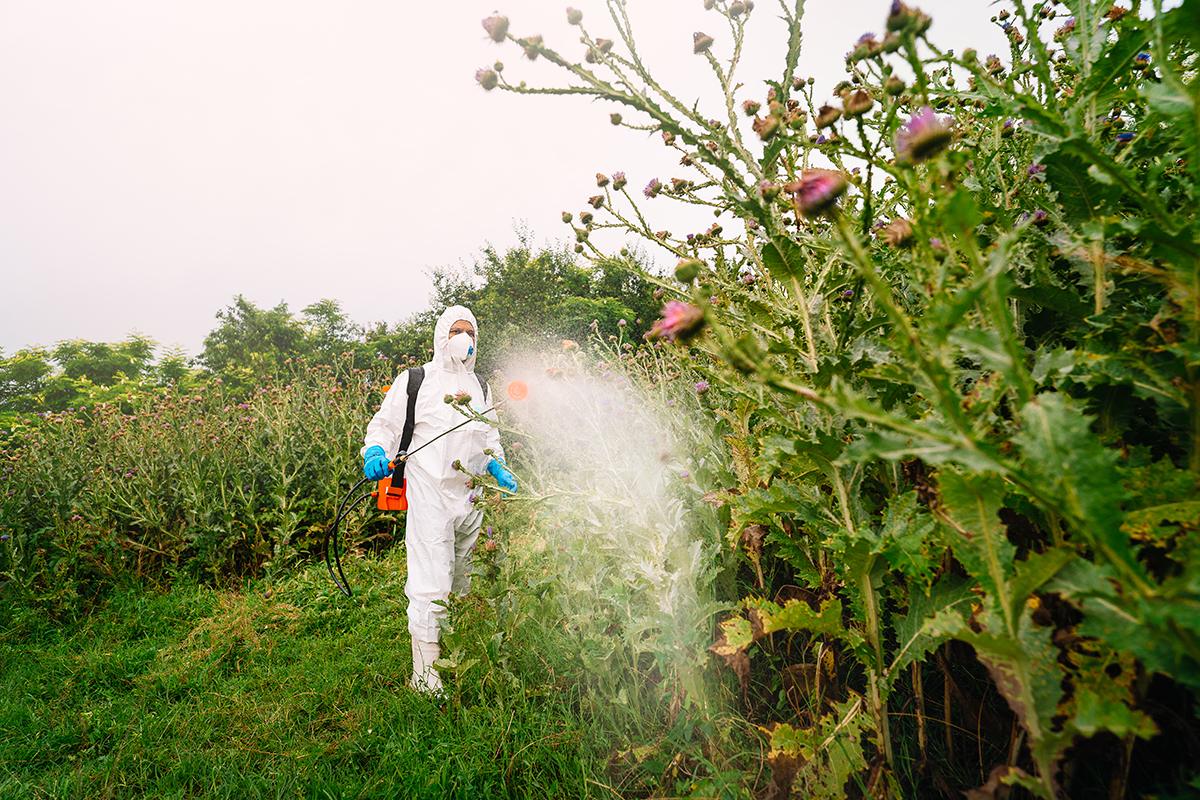
- Area Fogging (ULV Technology): After the store closes (during the night shift), ULV (Cold Fogging) devices are used to sterilize all the air in the store and the tops of the products on the shelves. Micron-sized disinfectant particles sprayed into the air completely destroy suspended viruses and mold spores between the shelves. When the fog cloud settles, it leaves no stain, moisture, or toxic residue in the environment.
- Surface and Equipment Sterilization: Especially shopping baskets, conveyor belts, and checkout points are wiped with antibacterial solutions that provide a long-lasting effect (residual), breaking the chain of contamination on the surface.
Customer Loyalty and Hygiene Perception
Today's consumer attaches as much importance to hygiene as to price. A fresh and clean-looking aisle, a spotless cabinet, and an airy store directly increase the consumer's loyalty to that brand. The loss of customers a supermarket would experience if its name is mentioned in a potential virus outbreak or food poisoning case cannot be compensated for years. Getting a professional disinfection service is not just a cleaning activity; it is the most concrete way to say to your customer, "We care about your health."
Conclusion
Retail food points are the last stop where products safely pass from shelves to tables. To protect both your employees from infections and to offer healthy, fresh, and pathogen-free foods to your customers, you must go beyond visible cleaning. Transform your store into a microbiological safe zone with periodic professional disinfection services performed outside of working hours with approved products that do not harm food. Shopping pleasure begins with flawless hygiene.